





Choosing One’s Best Death with Lonny Shavelson, M.D.

Product Description
$ 1.99

MP3 Download

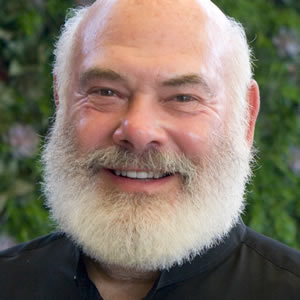
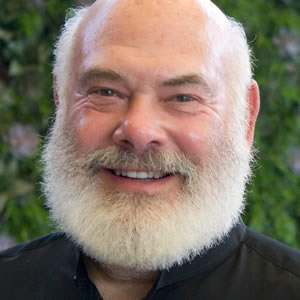
Medical aid in dying is a relatively recent option in U.S. medicine, now available in a growing number of states, yet it remains widely misunderstood and emotionally fraught. In this dialogue, Dr. Lonny Shavelson, an emergency physician turned national leader in end-of-life care, describes how his work is less about “prescribing death” and more about accompanying people through one of life’s most intimate thresholds. He shares how early family experiences with illness and suicide shaped his comfort in talking frankly about dying and explains what aid-in-dying laws allow, including rigorous safeguards, careful assessments of prognosis and capacity, and repeated opportunities to pause or change course. Along the way, he dispels common myths that equate medical aid in dying with suicide, addresses concerns about coercion and vulnerable populations, and highlights the crucial role of a multidisciplinary team—hospice, palliative care, social workers, chaplains, and trained death doulas—in helping each person articulate and experience their “best possible death.” (hosted by Justine Willis Toms)


Bio

Lonny Shavelson, M.D is a California physician best known as a national leader in medical aid in dying for terminally ill patients. Dr Shavelson worked for nearly three decades as an emergency department physician in Berkeley, California, and later served as a primary care doctor in a clinic for immigrants and refugees. He's a founder and Board Chair of the Academy of Medical Aid-In-Dying, where he helps develop best practices, clinician education, and policy in this emerging field. He has also consulted widely with hospitals, ethics committees, and state efforts to implement aid-in-dying laws.


Lonny Shavelson, M.D. is the author of :


  • A Chosen Death (Simon & Schuster 1995)
  • Medical Aid In Dying: A Guide For Patients And Their Supporters (American Clinicians Academy on Medical Aid in Dying 2022)


To learn more about the work of Lonny Shavelson, M.D. go to www.AADM.org


Topics explored in this dialogue include:


  • How early family experiences with illness, suicide, and depression shaped Shavelson’s comfort level in talking about death
  • What medical aid in dying is and how it fits within the larger field of end-of-life care
  • Why aid in dying is not simply “prescribing a lethal medication,” but part of comprehensive care that includes hospice and palliative options
  • Why “how you die” conversations help patients clarify fears, limits, and wishes for their final weeks or days
  • The legal eligibility requirements for medical aid in dying, including prognosis, capacity, and multiple requests
  • The distinction between medical aid in dying and suicide, and why the inevitability of death matters ethically
  • How patients’ minds and choices may evolve, and why all decisions remain revisable up to the last moment
  • Concerns about coercion, elder abuse, and vulnerable groups such as disabled or unhoused people, and how safeguards address these
  • The importance of a multidisciplinary team approach to end-of-life care, including hospice staff, chaplains, social workers, and death doulas


Host: Justine Willis Toms    Interview Date: 1212/2025   Program Number: 3855

Music Playlist

Album: Porcelain
Artist: Helen Jane Long
Essay music and midbreak music: Track 02 Release